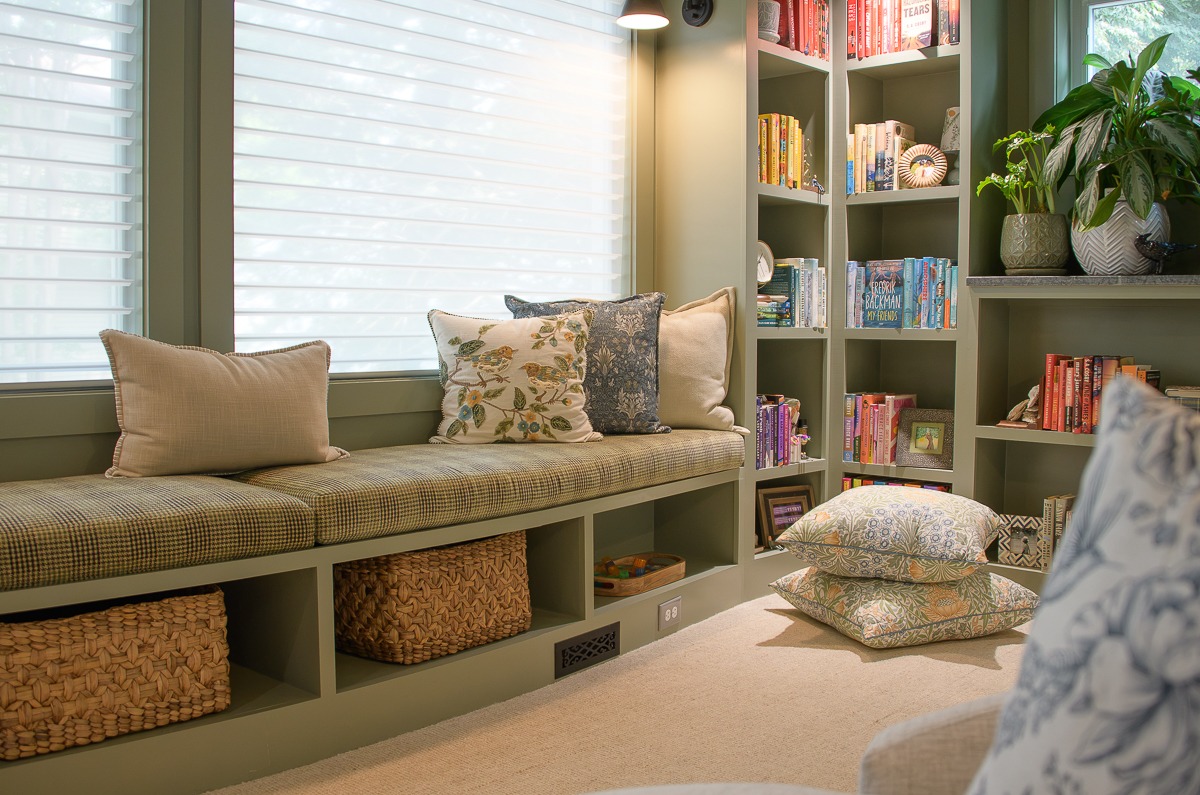
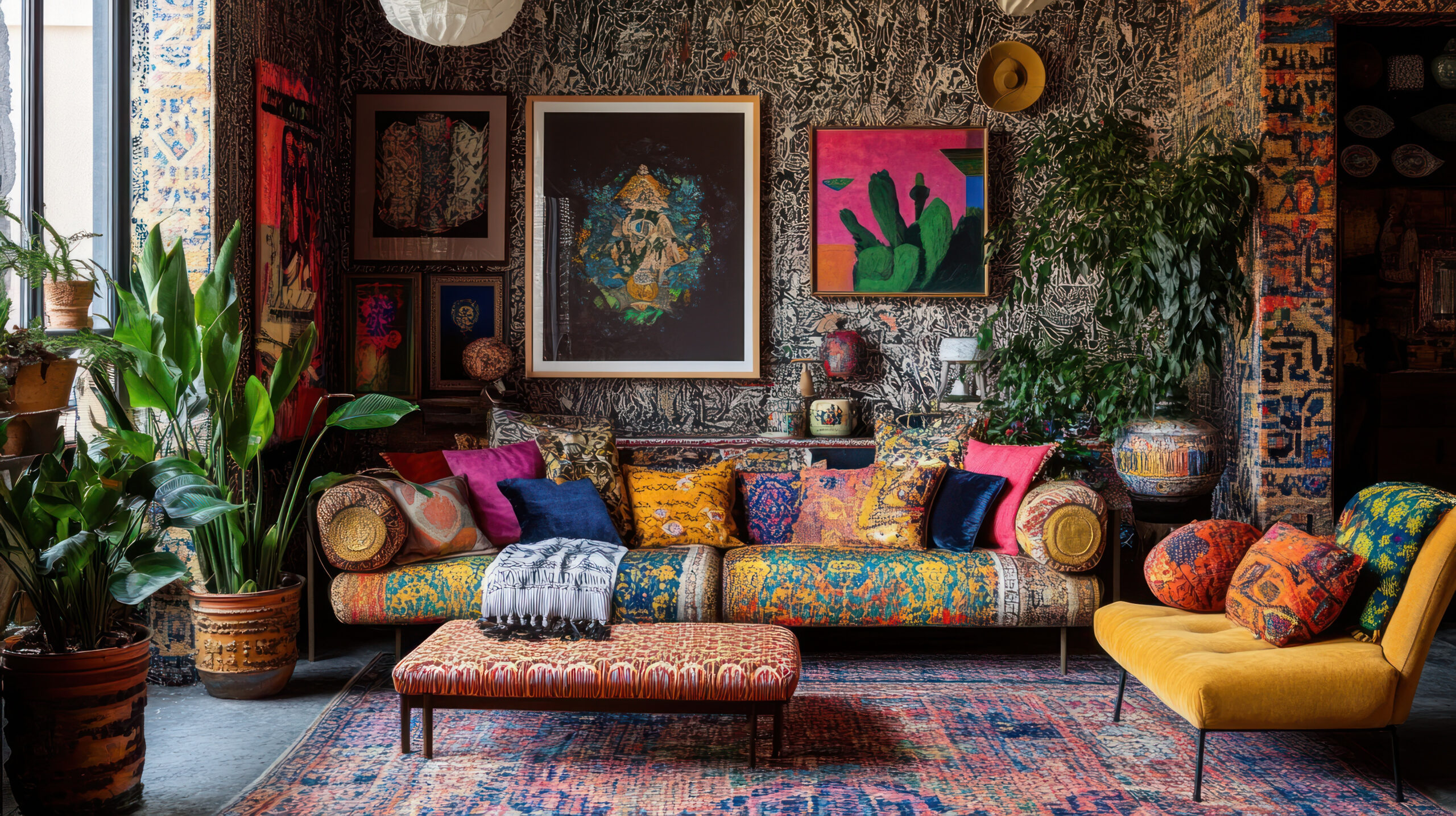
For years, social media has pushed the idea that wealth looks minimalist. Private jets, yachts, and interiors stripped down to almost nothing. After forty years in design, I can tell you that this has always been a misconception.
The people who are truly wealthy rarely live that way.
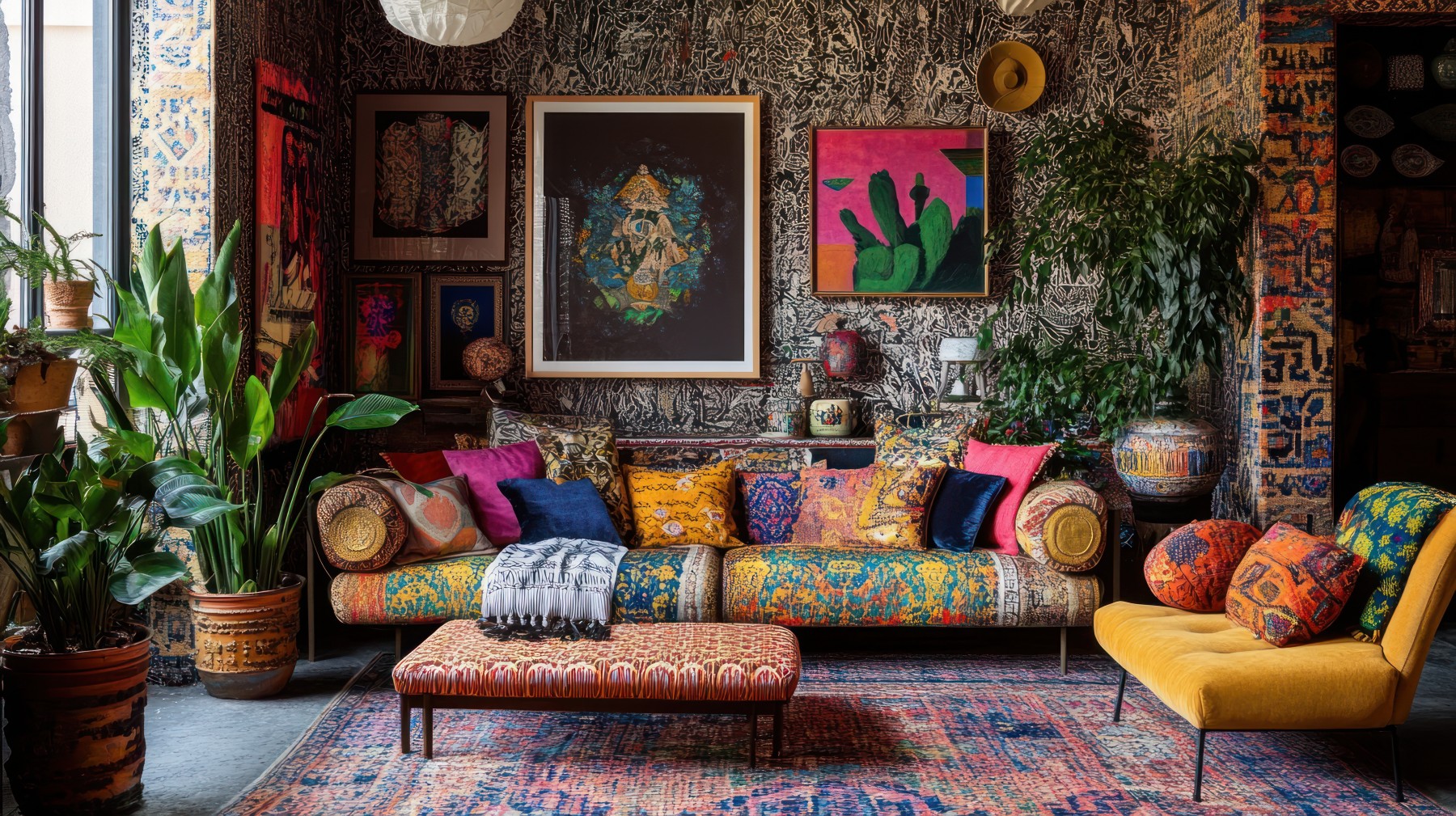
The greatest luxury, in my experience, is privacy. Behind those private doors, the most beautiful homes are layered, collected, and deeply personal.
The rooms that stay with you are never empty. They are filled with books, art, family photographs, and objects gathered over a lifetime. They tell stories of travel, curiosity, education, and memory. A well-designed home should feel like a living record of the people who live there, not a showroom or a copy of a trend.
I think people are starting to feel that again. There is a real fatigue with algorithm-driven design and the endless cycle of Pinterest-perfect rooms that all start to look the same.
A home should never feel anonymous.
Every piece in it, every book, object, and textile, should say something about who you are. That does not mean filling a room for the sake of excess. It means choosing with intention. Good design is not about minimalism or maximalism. It is about thoughtfulness.
The great decorators understood this instinctively. Designers like Billy Baldwin, David Hicks, Tony Duquette, and Sister Parish did not chase trends. They followed conviction. Their rooms had authorship. You could walk in and immediately feel the mind behind them. That kind of confidence never goes out of style.
Color plays an important role in that story. It feeds your soul and gives a space character and life. When everything becomes gray, beige, and white, something essential disappears. The room loses personality.
One of the biggest challenges today is where people look for inspiration. Social media rewards repetition, so everything begins to look alike. I often tell people to step away from their phones. Find a book. Visit a museum. Walk through a historic house or a decorative arts gallery. You will learn more about proportion, color, and pattern there than you ever will on a screen.
Inspiration also comes from nature. Look closely at a leaf and you will see layers of color, structure, and texture. There is an entire palette there if you are paying attention.
That is how taste has always been formed. It is not downloaded or copied. It is acquired slowly by looking, living, and learning to see!